For 29 years, All American Indian Days celebrated the cultural life of Native people. Sheridan volunteers from civic clubs, churches, and its community worked side by side with Native people.
History
In the Beginning: Two Communities and their Story
From 1953 to 1984, the town of Sheridan, Wyoming, hosted All American Indian Days—a groundbreaking event co-created by Native and non-Native citizens to combat racial discrimination and celebrate Native heritage with dignity and pride. During that time, Sheridan became known as one of the nation’s most important gathering places to learn about and honor Native American culture. At its peak, as many as 4,000 Native people from over 60 North American tribes participated in the event.
Before All American Indian Days
In nearby river valleys and mountains, Native people protected their homeland. To end wartime conflicts, Native Americans signed treaties and were moved to reservations. Off the reservation, Native people faced racism in Sheridan and other border towns. Store fronts displayed messages with signs: “No Indians Served Here”, “No Indians or Dogs Allowed”, “No Indian Trade Wanted”, and “No Indians Allowed.” In the late 1940s, a new threat arrived as a proposed Termination policy. Adopted in 1953, it would eliminate Native American reservations and erase tribal identities.
Unexpected Changes
In 1951, a sixteen-year-old Apsáalooke-Crow Nation high school student did what seemed impossible. Luzania Ann “Lucy” Yellowmule (1935-1996) became the first Native American woman to be chosen Rodeo Queen for the 1952 Sheridan WYO Rodeo.
F. Howard “Neckyoke Jones” Sinclair (1889-1968), a journalist at the Sheridan Press, and Don Diers (1913-1999), a local photographer, wanted to do a news story on Lucy. They met at the home of Donald Deernose (Apsáalooke-Crow) (1908-1978). Their discussion ignited a movement to promote racial understanding. Soon, Sinclair and Lucy were in Sheridan raising awareness about Native culture by visiting civic clubs and talking with people in their homes. They described the damaging effects of excluding Native people from mainstream America.
A spirit of resilience and determination sparked change in the small town of Sheridan. Leaders—both Native and non-Native—began to seek common ground, envisioning a gathering that would foster understanding, respect, and collaboration. Small acts of allyship took root: neighbors standing up against injustice, community meetings where voices long ignored were finally heard, and an emerging hope that reconciliation was not only possible but necessary.
Behind the scenes, organizers worked tirelessly to bridge the divides of prejudice. They reached out to tribal elders and respected community members, inviting them to help shape a new kind of event. The dream was ambitious: to create a celebration honoring Native culture, perseverance, and heritage, while also educating others and challenging the status quo. Preparations took months of planning, diplomacy, and unwavering commitment, culminating in an idea that would soon blossom into a historic occasion. As a result of their tireless efforts, businesses in Sheridan removed their signs.
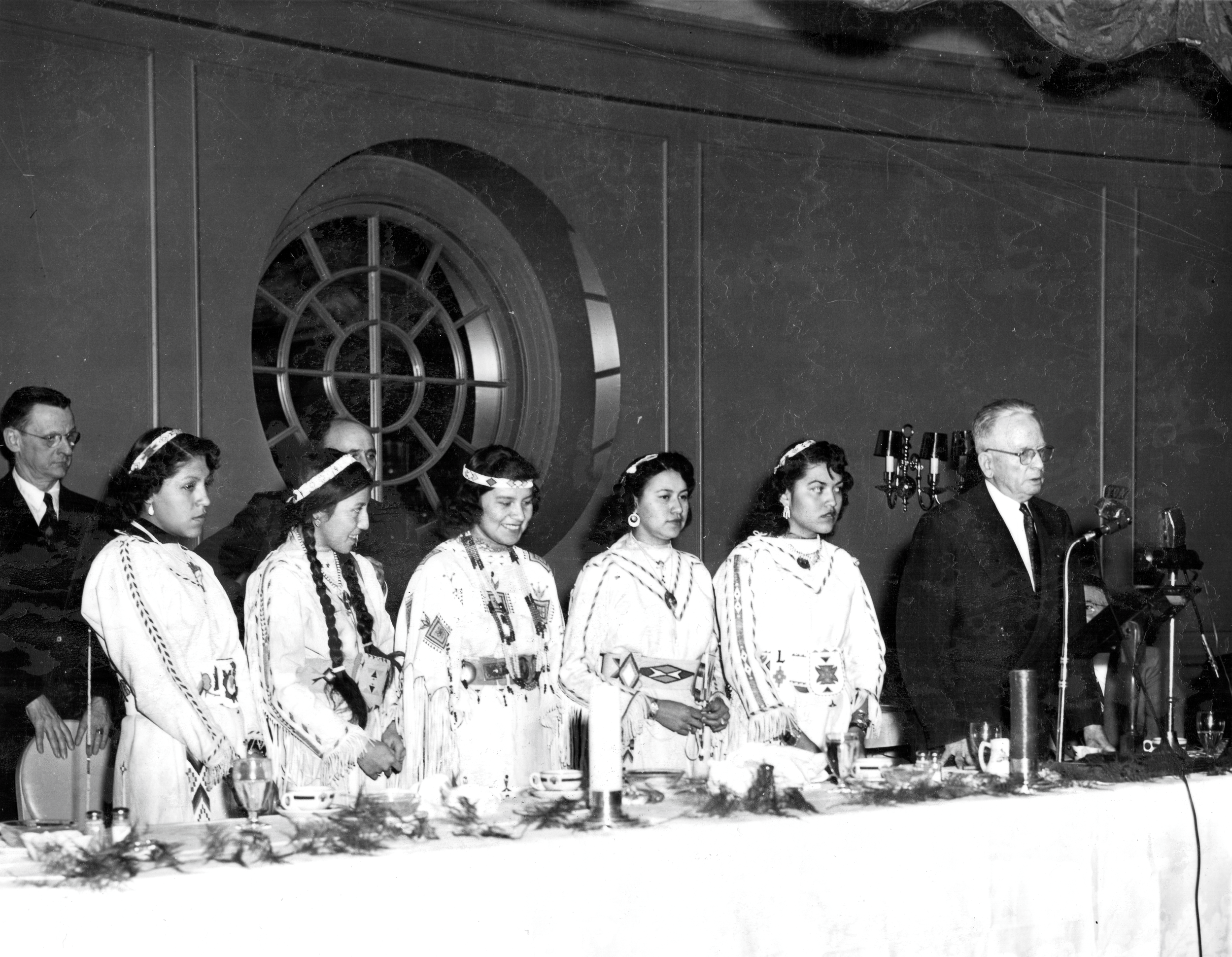
In recognition of these significant changes, the American Public Relations Association in 1953 awarded the town of Sheridan the Silver Anvil Award. On behalf of the town, Lucy Yellowmule and four other young Native women traveled to Washington, D.C., to accept this award. The Secretary of Interior, Douglas McKay, presented the Silver Anvil Award on March 3, 1953. Another award soon followed in July 1953. It was the George Washington Medal from the Freedoms Foundation at Valley Forge, Pennsylvania. In 1958, Sheridan was named an All-American City and in 1962, a second George Washington Medal was given to the City for “outstanding achievement in preserving the American way of life by promoting better understanding between Indian and White Races, and the elimination of racial discrimination.”
The First All American Indian Day
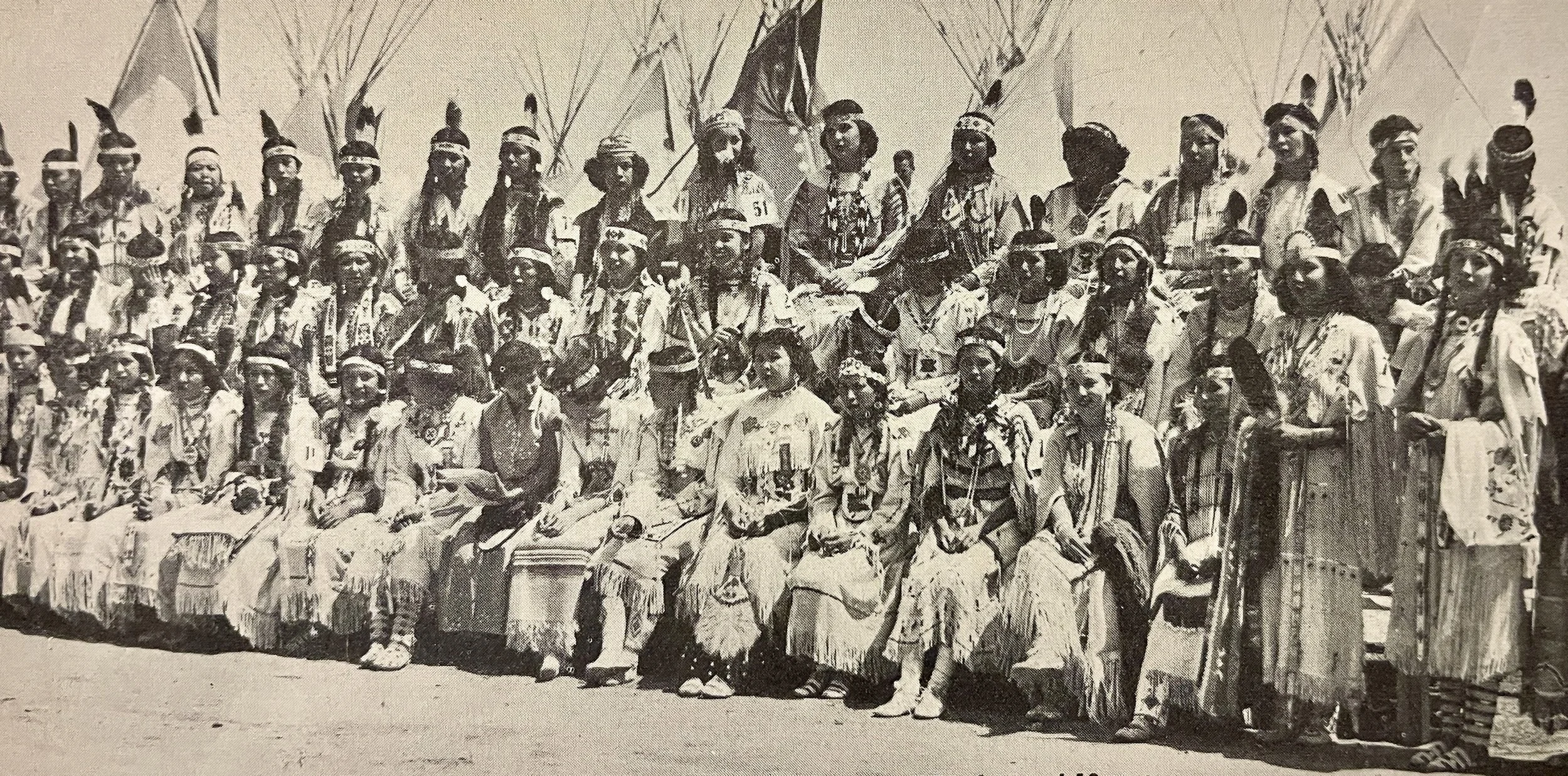
Dr. Joe Medicine Crow (1913-2016), Donald (1908-1978) and Agnes (1907-2004) Deernose, and Susie (1903-1981) and Tom (1903-1993) Yellowtail, all from the Apsáalooke-Crow Nation, advised Sinclair in the creation of an event for both Native and non-Native people. Their interest in inter-racial understanding helped to create the first All American Indian Day during the 1953 Sheridan WYO Rodeo. Native cultural knowledge would be shared through athletic games and races. On the afternoon of July 18th, 53 contestants participated in the first national Miss Indian America pageant. Eighteen-year-old Arlene Wesley (Yakama) was crowned Miss Indian America I and enthusiasm built quickly to expand the entire event.
The Story of Working Together
For nearly thirty years, All American Indian Days celebrated the cultural life of Native people. To achieve this, Sheridan volunteers from civic clubs, churches, and its community worked side by side with Native people. This success challenged racial stereotypes and attracted an audience of thousands who filled the grandstands.
At the Fairgrounds, the Tipi Village drew hundreds of campers who set up tents and tipis. Native emcees like Dr. Joe Medicine Crow (Apsáalooke-Crow) and Brummett Echohawk (Pawnee) and others narrated the three-day program. A solemn pipe ceremony was held each day for blessing participants and the audience. Each year, a Miss Indian America was crowned and an Outstanding Indian of the Year was honored.
Everyone enjoyed the barbeque and downtown parade. Awards were given for excellence in categories of arts and crafts, storytelling, singing, and tribal presentations. Traditional contests were held for lance throwing, archery, and Apsáalooke-Crow Indian football. Women competed in raising up a tipi and races attracted expert runners and fast horses. There were drum groups who sang for dancers of all ages. The event ended with the memorable Sunday Service, its Native pastors, soloists, and choirs.
Many People Came to Sheridan
Donald Deernose (Apsáalooke-Crow), Chairman of the Indian Executive Committee, traveled for many years across the country to build interest among many tribes. Four thousand Native people from 60 tribes came to Sheridan in one year. As many as 75,000 came over the three decades of the event. In 1957, more than one hundred contestants entered the Miss Indian America pageant. Several survivors of the Battle of Little Big Horn were honorees during the event. The Fairgrounds were filled with townspeople and tourists came from everywhere, even from Europe. Each year, a tourist family driving through Wyoming became VIP guests of the Chamber of Commerce.
The Work of Miss Indian America
The Miss Indian America pageant attracted hundreds of Native women over the years. They displayed the best of Native womanhood. The winner carried a duty to improve racial relations, so Miss Indian America traveled across the United States with several traveling in Europe to France, Belgium and the United Kingdom. They were chaperoned by women from Sheridan, former titleholders, or Apsáalooke-Crow advisors, Susie Yellowtail and Agnes Deernose. During some years, families of Miss Indian America were chaperones and even paid a part of her expenses.
Indian nations were a joy for Miss Indian America to visit. She encouraged Native youth by sharing her story and the importance of understanding between Native Americans and non-Natives. Her voice was heard at national Indian conferences. She shared the richness of Native culture as well as Native issues.
Miss Indian America was truly a culture bearer. She was often the first Native American that non-Natives met. She spoke at schools, colleges, and civic clubs. Her interviews on news media, radio and television reached a wide audience. Government officials welcomed her presence. She inspired an understanding of Native people.
From 1953 to 1984, Miss Indian America built appreciation among non-Natives and advocated for Native American people.
The Later Years
AAID held a distinctive legacy throughout the years which created a significant impact on the region, on the Native and non-Native people who participated, and on the national conversation about Native American rights. However, due to financial setbacks and the emerging sovereignty of tribes, Sheridan hosted its last Miss Indian America pageant in 1984. It entered into an agreement to move the pageant to Bismarck, North Dakota, where the event ended in 1989.
-
![]()
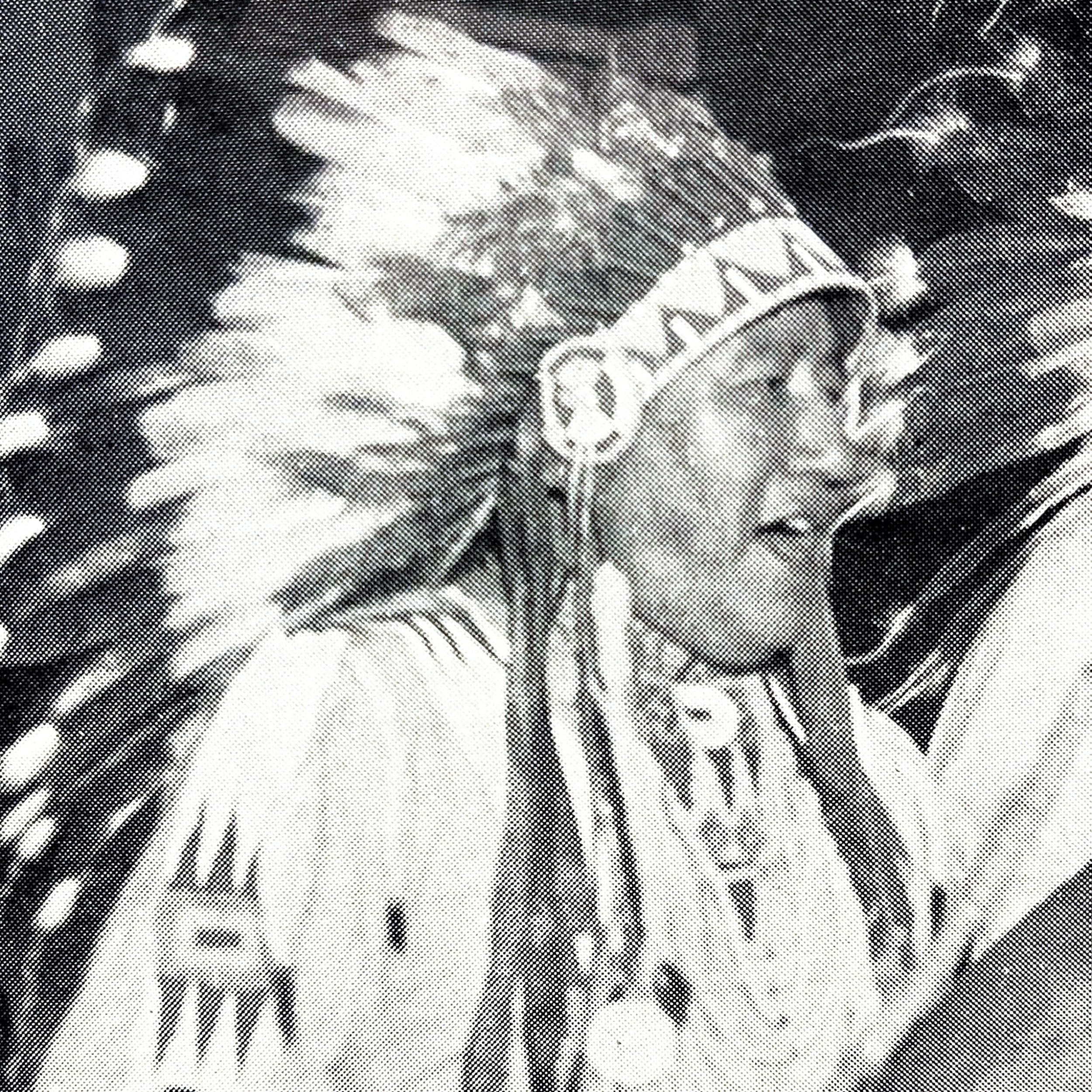
Donald Deernose (Apsáalooke-Crow) met with tribal people throughout the country promoting All American Indian Days which brought thousands to Sheridan. He was one of the original Advisors to create All American Indian Days.
Photo: Courtesy of The Wyoming Room, Sheridan County Fulmer Public Library.
-
![]()
Lucy Yellowmule and her attendants traveled to Washington, D.C. in the early 1950's after being selected as the Sheridan WYO Rodeo Queen and the first Native American to hold the title.
Photo: Courtesy of The Wyoming Room, Sheridan County Fulmer Public Library
-
![]()
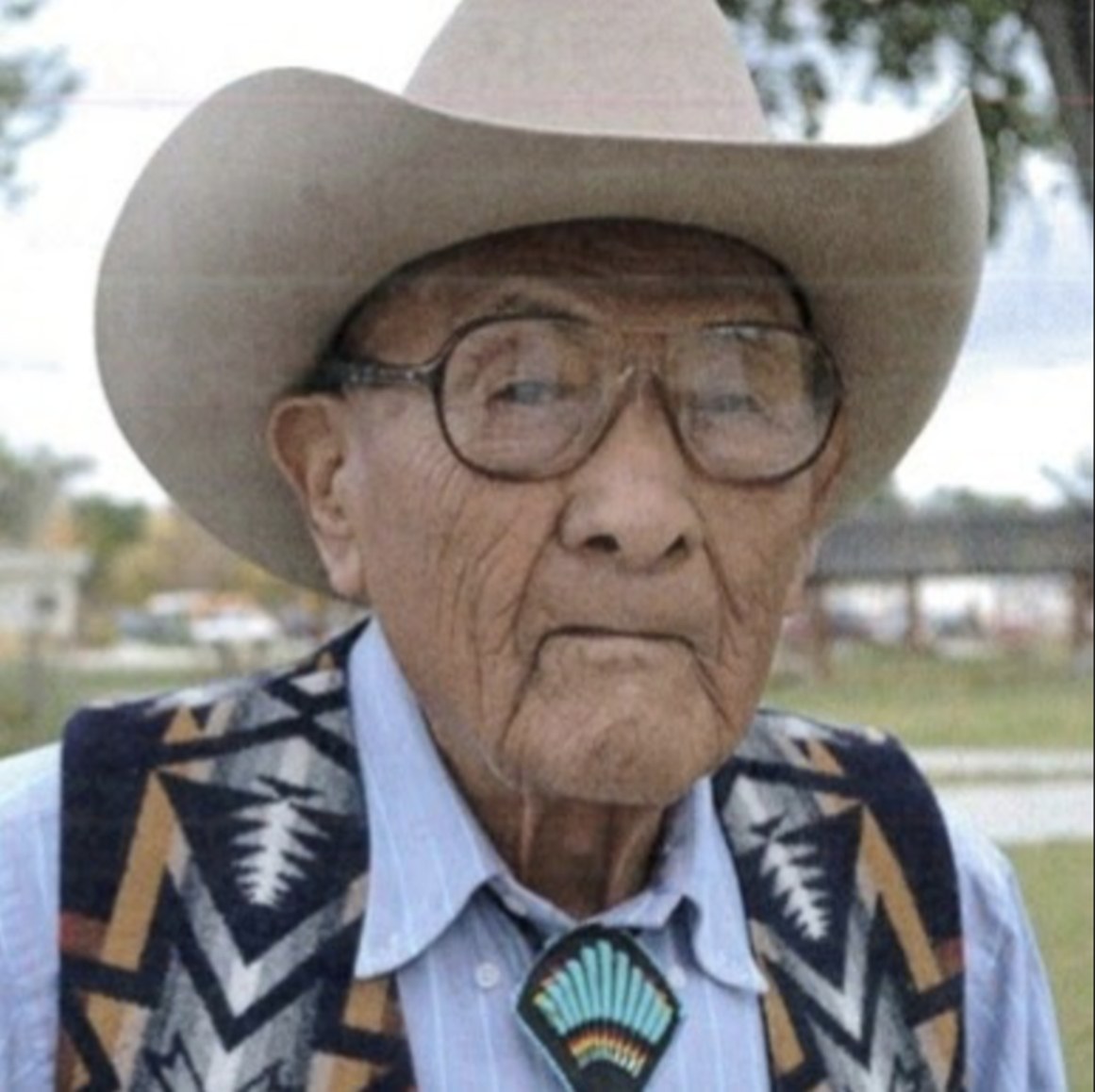
Dr. Joe Medicine Crow (Apsáalooke-Crow) managed the production of All American Indian Days and was a Master of Ceremonies. He was one of the original Advisors to create All American Indian Days.
Photo: Courtesy of The Wyoming Room, Sheridan County Fulmer Public Library.